


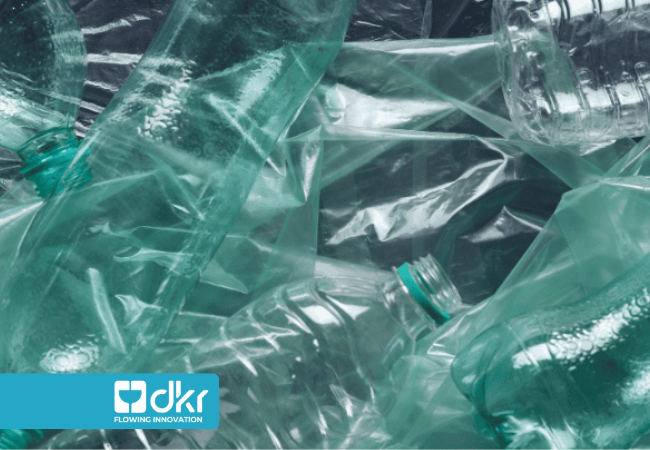
This article analyses the life cycle and environmental impact of PET bottles, a ubiquitous material in the beverage industry. The three critical stages of their impact are explored: production, which requires huge amounts of oil; transport, which generates significant CO2 emissions; and disposal, which contributes to the global plastic pollution crisis and the spread of microplastics. It shows that a single bottle has a carbon footprint comparable to that of a car per kilometre. In the face of this “ecological bombshell”, the article presents DKR solutions, such as Water Houses and professional dispensers, not only as products, but also as a conscious choice to drastically reduce the consumption of single-use plastic and promote a responsible, zero-kilometre consumption model.
In 1973, American engineer Nathaniel Wyeth patented a material that would radically transform the packaging industry and consumption habits globally: PET (polyethylene terephthalate). Light, transparent, unbreakable and ideal for the packaging of carbonated drinks, it represented an innovative and promising solution.
Today, billions of PET bottles are produced, marketed and consumed worldwide. However, behind an apparently simple and everyday gesture, such as buying a bottle of water, lies a worrying reality: we are contributing, often unknowingly, to a real environmental emergency.
According to the 2025 report of EA For Impact, It is estimated that about 31.9% of the plastic produced this year will be mishandled, ending up in unregulated landfills, open-air incinerators or dispersed directly into the natural environment. This translates into more than 72 million tonnes of plastic released into the air, water and soil by the end of the year.
The document also points out that, despite slight improvements in the management of plastic waste compared to previous years, overall production continues to increase, keeping the overall amount of poorly managed waste largely unchanged.
Protecting the environment and promoting more resource-conscious consumption are now top priorities. To effectively address this challenge, it is essential to understand the environmental impact hidden behind every single plastic bottle: a cost that goes far beyond the purchase price.
We are used to thinking about the problem of PET bottles only at the end of their very short useful life, when they become waste to be disposed of. In reality, their environmental impact is a journey in stages, each with a heavy ecological burden.
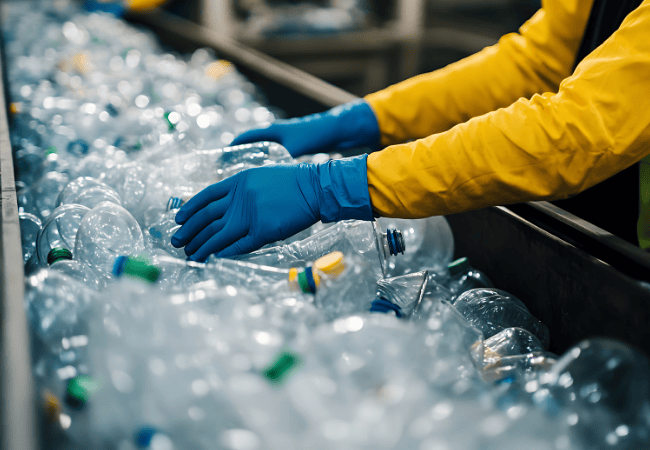
Each plastic bottle comes from oil, a non-renewable fossil resource whose extraction and refining are among the most polluting human activities. The worldwide production of PET bottles requires millions and millions of litres of crude oil each year, an energy-intensive process that releases large quantities of greenhouse gases into the atmosphere, contributing to climate change. We are, in effect, using a precious resource, formed over millions of years, to create a “disposable” object designed to be used for only a few minutes. The impact does not stop there: even the production process itself consumes huge amounts of water, making the idea of using water to produce a water container paradoxical.
Once produced and filled, the bottles begin their long journey. Trucks travel hundreds, if not thousands, of kilometres to transport the water from the bottling source to distribution centres, then to supermarkets and finally to our homes. This logistical system generates colossal CO2 emissions. It is estimated that the carbon footprint of a single bottle of water, considering its entire life cycle, is comparable to that generated by a car travelling one kilometre. We are, in effect, transporting an asset (water) which, for the most part, we already have available on a zero-kilometre basis.
Even when we are diligent citizens and throw the bottle in the plastic container, the problem is far from solved. Recycling, while essential, is not a magic solution:
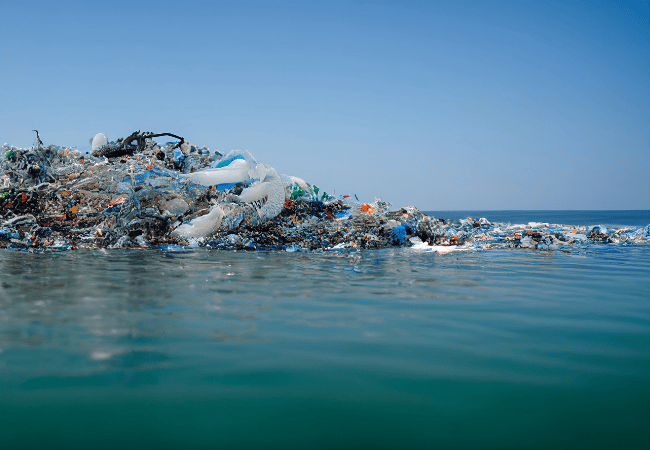
The most dramatic consequence of this inefficient management is the pollution of ecosystems. It is estimated that the equivalent of a truck full of plastic waste is dumped into the sea every minute. Millions of tonnes of plastic, every year, invade the oceans, fragmenting into microplastics that enter the food chain, harming marine wildlife and ending up on our plates. The projections are alarming: according to António Guterres, Secretary General of the United Nations, speaking at the opening of the UN Conference on Oceans in Lisbon in June 2022, by 2050 the weight of plastic in the oceans could exceed the total weight of all fish.
Faced with this scenario, resignation is not an option. The “tethered cap” (the non-removable cap for plastic bottles) is only the first phase of a wider transformation. The European Union's own directive (SUP Directive - Single-Use Plastic), which came into force in Italy on 14 January 2022, introduces a further requirement: from 1 January 2025, all packages with a capacity of up to 3 litres must contain at least 25% of recycled plastic. From 2030, this percentage must rise to 30%.
However, the solution already exists and is within reach: drastically reduce dependence on single-use PET bottles, rediscovering the value, safety and convenience of zero-mile water.
At DKR, our mission is to provide the tools necessary to make this transition simple, affordable and accessible to all. Our solutions represent real headmasters of sustainability, offering a concrete and tangible alternative:
Pollution caused by PET bottles is a serious problem that requires a change in our habits. When we choose to fill our canteen from a Water House or a dispenser, we make a concrete choice: we do not feed an unsustainable system, we reduce waste in the sea and CO2 emissions.
The solution is simpler than it seems: safe and controlled tap water already arrives in our homes. With the right filtration technologies, we can make it our main choice, thus reducing dependence on PET bottles.

Via Grigna, 60 - 20027 Rescaldina (MI) - ITALY
Tel. +39 0331 54 94 67 - Fax +39 0331 54 49 01
info@dkr.it - dkr@pec.it



 English
  Italian
  Spanish
  French